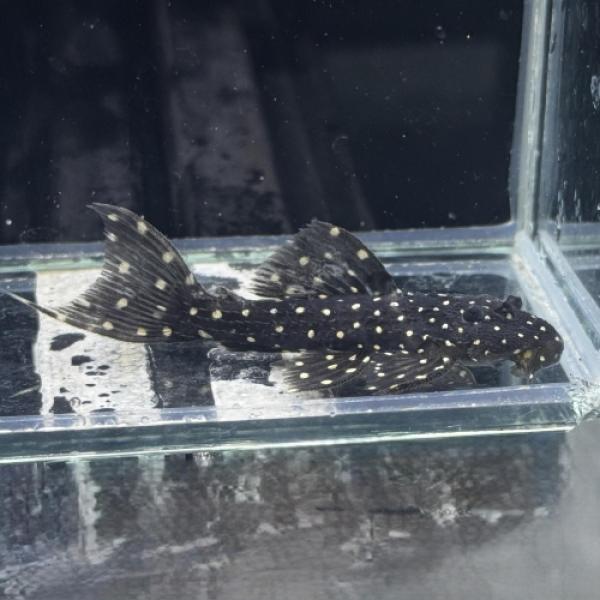
サタンプレコ
大型
弱酸性
難易度:thought: the user is asking for the care difficulty of "サタンプレコ" (satan pleco) in terms of disease resistance and suitability for beginners.
i need to provide a single word answer from the given options: easy, middle, hard, very_hard, impossible.
1. **identify the fish:** サタンプレコ (satan pleco). this is *hypancistrus debilittera*.
2. **research care difficulty for *hypancistrus debilittera*:**
* **water parameters:** requires very clean, well-oxygenated water, specific temperature (26-30°c), and soft, acidic water. sensitive to nitrates.
* **diet:** omnivore with a preference for meaty foods, but also needs some plant matter. can be picky.
* **temperament:** generally peaceful, but can be territorial with other plecos.
* **size:** relatively small for a pleco (around 10-12 cm).
* **disease resistance:** like many *hypancistrus* species, they are sensitive to poor water quality and can be prone to bacterial infections if conditions are not pristine. they are wild-caught, which can sometimes mean they arrive stressed or with parasites, though captive breeding is becoming more common.
* **beginner suitability:** not typically recommended for beginners due to their specific water parameter requirements, sensitivity to water quality fluctuations, and need for a mature, stable tank. they are more demanding than common plecos.
3. **evaluate against difficulty levels:**
* **easy:** definitely not. requires specific conditions.
* **middle:** could be considered "middle" for an experienced aquarist, but for a beginner, it's harder. the prompt specifically asks about "初心者向けか" (suitable for beginners).
* **hard:** this seems more appropriate. they require consistent, high-quality water, specific parameters, and attention to detail that goes beyond basic fishkeeping. their sensitivity to disease when stressed or in poor water quality pushes them past "middle" for a general assessment, especially for beginners.
* **very_hard:** while challenging, they are not *extremely* difficult to keep alive if you meet their needs. they don't have extremely complex breeding requirements or highly specialized diets that make them "very